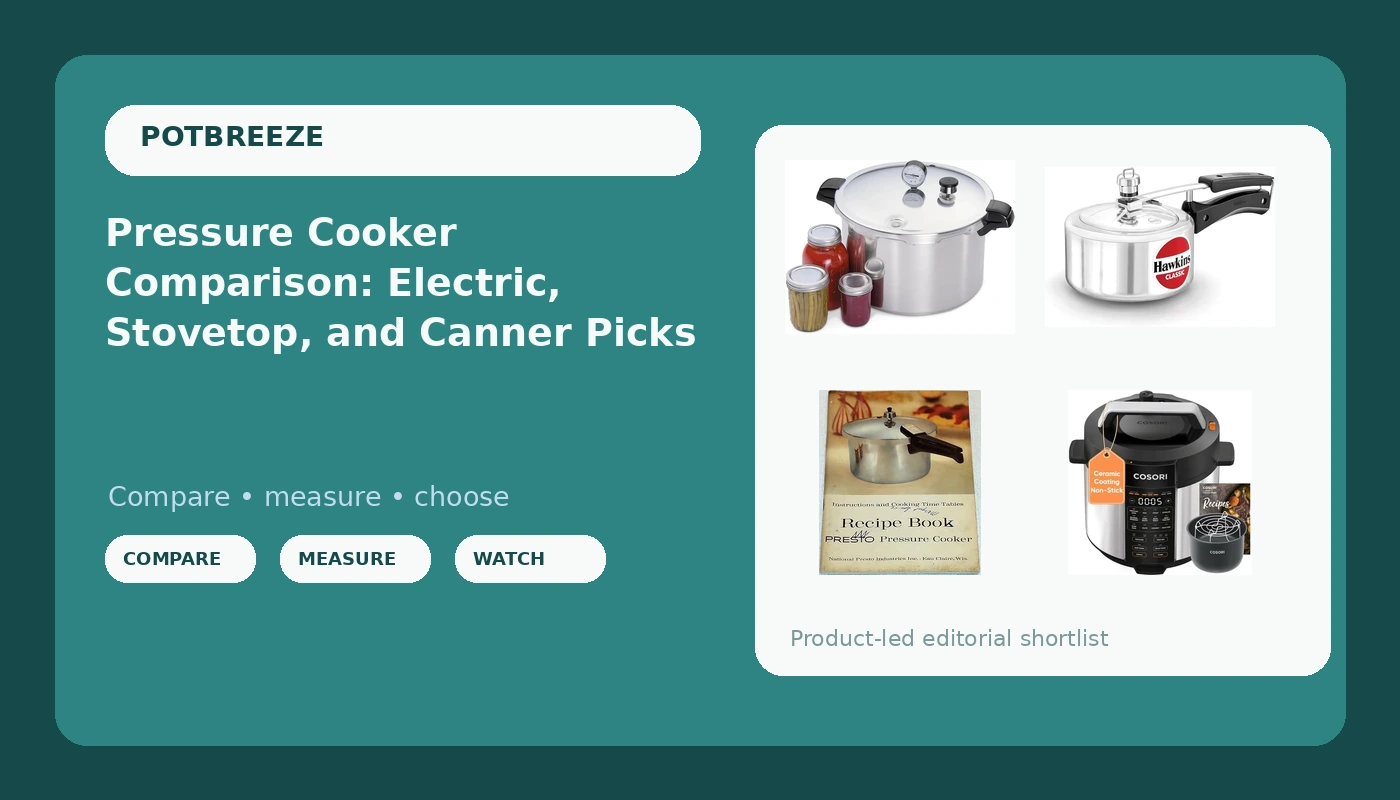
I have cooked dinner for five people most nights for the better part of two decades, and some kind of pressure cooker has been within arm's reach of the stove for almost all of it. This pressure cooker comparison is the version of the conversation I keep having with friends who text me a photo of a pot and ask whether it is the right one. Four products are on the table: an electric 6-quart multi-cooker, a 16-quart stovetop canner, a small 1.5-litre stovetop cooker, and the reference book that ties stovetop cooking times together.
The short answer: for most households, the electric 6-quart is the one that earns its counter space, because it sears, pressure cooks, and holds dinner warm in a single pot. The other three exist for specific jobs. If you put up jars of tomatoes every August, or you cook for two in a small kitchen, the answer changes fast.
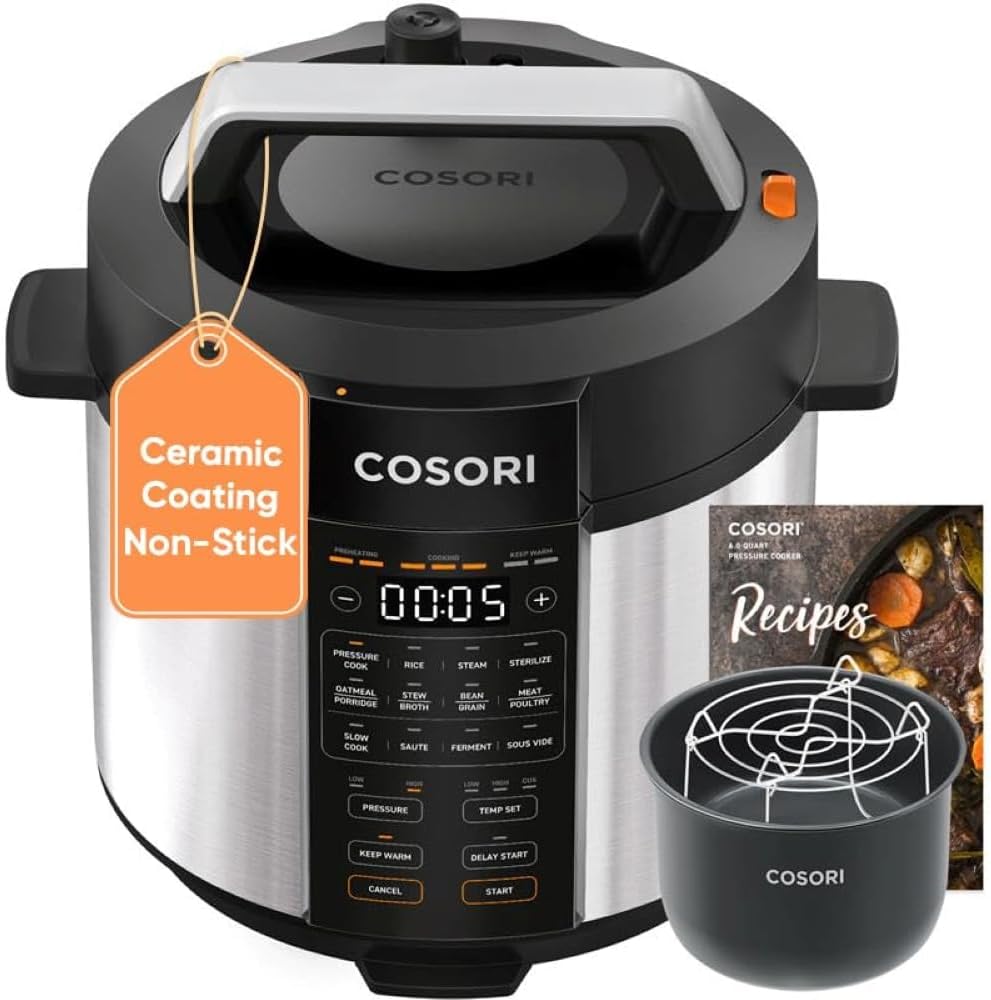
Cosori Pressure Cooker 6QT, 9-in-1, Ceramic Coating Pot, 12 Safety Features
One pot handles the sear, the pressure cook, and the keep warm; the ceramic-coated pot is a genuine cleanup win and the 9 programs cover what a family actually uses
Electric convenience costs you peak heat and speed, and a 6-quart is tight for canning or a holiday crowd

Presto 01755 16-Quart Aluminum Pressure Canner and Cooker
Real volume for canning jars, big stock batches, and chili for a crowd; the aluminum body is light for its size and heats quickly
It needs a large burner and a strong arm, stovetop pressure cooking has a real learning curve, and it will not hold dinner warm for you
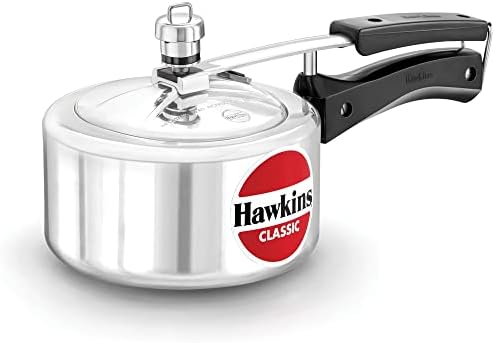
Hawkins Aluminium 1.5 Litre Classic Pressure Cooker, Best Inner Lid Cooker, Small Cooker, Silver(Cl15)
Sized for two or three servings, with less food volume to bring up to pressure, and simple enough to store on a shelf
1.5 litres is genuinely small, the inner-lid design takes a few cooks to get comfortable with, and nothing here does the thinking for you
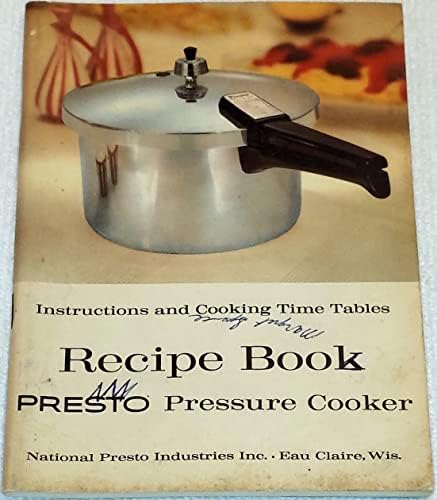
Presto Pressure Cooker: , Recipe Book, Instructions and Cooking Time Tables
The cheapest upgrade in this comparison; a focused reference for stovetop instructions and cooking time tables
It is a book, not a cooker, and it assumes you are running a stovetop pot rather than tapping presets on a screen
Prices and availability were captured from Amazon Creators API and may change.
What is actually in this comparison
Three of these are cookers and one is a book, which sounds like an odd lineup until you have stood in a kitchen at 6:15 p.m. trying to remember how long dried beans take under pressure. Two of the cookers are stovetop units that happen to sit at opposite ends of the size range. One is an electric countertop appliance with programs and a timer. The book is the thing that makes the stovetop units usable on day one instead of week three.
That spread is deliberate, because "which pressure cooker should I buy" is really three different questions. How many people am I feeding? Do I want the pot to think for me? And am I canning, or just cooking dinner?
How I judge a pressure cooker
Before I would spend money on any of these, I run through the same four checks. They are boring checks, and they are the ones that decide whether a cooker is still in the rotation a year from now.
Does it sear? If the browning function runs weak, you dirty a second pan every single time you make a stew, and a second pan is the whole reason you bought a pressure cooker. Sear first, pressure second. A cooker that cannot sear is a stew maker with extra steps.
Can I replace the sealing ring? The silicone gasket is the part that holds pressure and absorbs every curry you have ever made. If a gasket cannot be bought separately, the cooker is disposable, and I will not recommend it no matter how nice the pot looks.
Does it hold pressure and keep warm without drama? A steam vent that sprays the ceiling is a design failure, not a quirk. And on a weeknight, the keep-warm function is where dinner is actually won, because it is the difference between food that is ready when you are and food that is cold because a kid had a meltdown at bath time.
How many dishes does it leave behind? I count clean pans, not features. A 9-in-1 label means nothing if four of those functions all boil water.
The electric 6-quart: the weeknight default
The Cosori 6QT is the one I would hand to a friend who cooks for a family and wants one appliance to do the work. The ceramic-coated inner pot is the detail I care about most, because the inside of a pressure cooker takes a beating and a coating that releases food cleanly saves you scrubbing time every night. The 12 safety features matter more than they sound when there are kids in the house and a lid that will not open until pressure drops.
The 9-in-1 framing is standard for this category, and I would not buy it for the count. I would buy it for the three programs that actually get used: pressure cook, sauté, and keep warm. A 6-quart capacity is the sweet spot for four to six people, which is exactly the size of a pot of chili that gets eaten instead of stored.
Where it gives ground is heat and speed. Electric countertop cookers trade peak searing temperature and raw speed for hands-off convenience, and that is the honest trade. You get a pot you can walk away from. You give up the fast, hot, slightly aggressive cook you get from a stovetop unit. If you want to see how the programs and the ceramic pot are laid out, you can Visit on Amazon → and read the listing against your own counter space.
The 16-quart canner: for jars, stock, and crowds
The Presto 01755 is not a dinner-for-two appliance. A 16-quart aluminum pressure canner and cooker is a volume tool: jars in August, turkey stock in November, a pot of chili that feeds a block party, tamales for a crowd. If that sentence described your year, this is the cheapest way to get there.
Aluminum is the right material for a pot this size, because it is light for its bulk and it heats quickly. It also means you feel the weight when it is full of jars and water, and you need a burner big enough to support a 16-quart base without wobbling. This is the product in the comparison where I would tell a beginner to slow down. Stovetop pressure cooking asks you to manage heat, listen to the regulator, and time things yourself. That is not scary once you have done it, but it is a skill, and a rattling regulator on the first night will make your family nervous.
The payoff is capacity nothing else here touches. Visit on Amazon → if canning season is on your calendar, and budget shelf space for it, because this pot does not live in a drawer.
The 1.5-litre stovetop cooker: small, fast, honest
The Hawkins 1.5 Litre Classic is the opposite end of the spectrum, and I have a soft spot for cookers like it. The listing calls it the best inner lid cooker, and what that means in practice is that the lid seats inside the body rather than over it, which makes for a compact pot with a simple seal. For dal, rice, beans, and quick vegetables for two or three people, a pot this size is genuinely efficient: there is less food volume to bring up to pressure, so dinner moves.
The trade-offs are real and worth saying plainly. A 1.5-litre capacity is small, and if you are feeding five people you will be cooking in batches. There are no programs, no timer, and no keep warm. The inner-lid design takes two or three cooks before the motion feels natural. And because this is a stovetop cooker, the sealing ring question matters: check that a replacement gasket is available before you buy, not after the ring starts smelling like last month's curry.
Used well, this is a pot that earns its shelf space in a small kitchen. Used as a family's only cooker, it will frustrate you. Visit on Amazon → to see the size against your own burner layout.
The reference book: the cheapest upgrade here
The Presto Pressure Cooker recipe book, with instructions and cooking time tables, is the item I would add to the cart alongside any stovetop cooker. It is not exciting. It is also the difference between guessing at timing and knowing it, especially with dried beans, grains, and meats where under-cooking means a second round under pressure and overcooking means mush.
Its limits are obvious: it is a book, and it is aimed at stovetop pressure cooking rather than at a screen full of presets. If you own an electric cooker with built-in programs, you will use it less. If you own a stovetop canner or a small stovetop cooker, it belongs on the shelf next to the pot. Visit on Amazon → if you want the timing tables before your first cook rather than after.
Electric versus stovetop: the real trade-off
Strip away the marketing and this comparison comes down to one decision. Electric cookers are appliances: they hold a temperature, count down a timer, switch themselves to warm, and forgive you for leaving the room. Stovetop cookers are pots: they respond instantly to the burner, they come in sizes from 1.5 litres to 16 quarts, and they reward attention.
The practical consequences show up in cleanup and in timing. An electric cooker with a decent sauté mode lets you brown meat and build a stew in one vessel, then walk away, then come back to food that is still hot. A stovetop cooker gives you a faster, hotter sear and a wider range of sizes, but you are the timer and the keep-warm function, and the pot is going to be on the burner while you are also doing something else.
For a household cooking five dinners a week after work, that first set of traits wins. For canning, big-batch stock, and small-kitchen efficiency, the second set wins.
Which one I would buy for which kitchen
Feeding four to six people on weeknights with one appliance and limited patience: the electric 6-quart. It sears, it pressure cooks, it keeps warm, and the ceramic-coated pot makes the cleanup tolerable at 8 p.m.
Canning jars, feeding a crowd, or making stock in serious volume: the 16-quart canner. Buy it with the book, and plan the burner and the storage space before you order.
Cooking for one or two in a small kitchen, or adding a second cooker for sides while the main pot works: the 1.5-litre stovetop cooker.
Already own a stovetop cooker and guessing at times: the reference book, every time. It is the least expensive item here and the one that changes how often you use the pot you already have.
Before you buy: four checks
Confirm that a replacement sealing ring exists for whichever cooker you choose. Count the clean pans a typical dinner will leave you. Decide honestly whether you want to be the timer or you want the appliance to be the timer. And measure the space, because a 16-quart canner and a 1.5-litre cooker make very different demands on a cabinet.
That is the whole comparison. Pick the size that matches the number of people at your table, pick electric or stovetop based on whether you want to walk away, and buy the book if there is any chance you will be cooking under pressure on a stove.