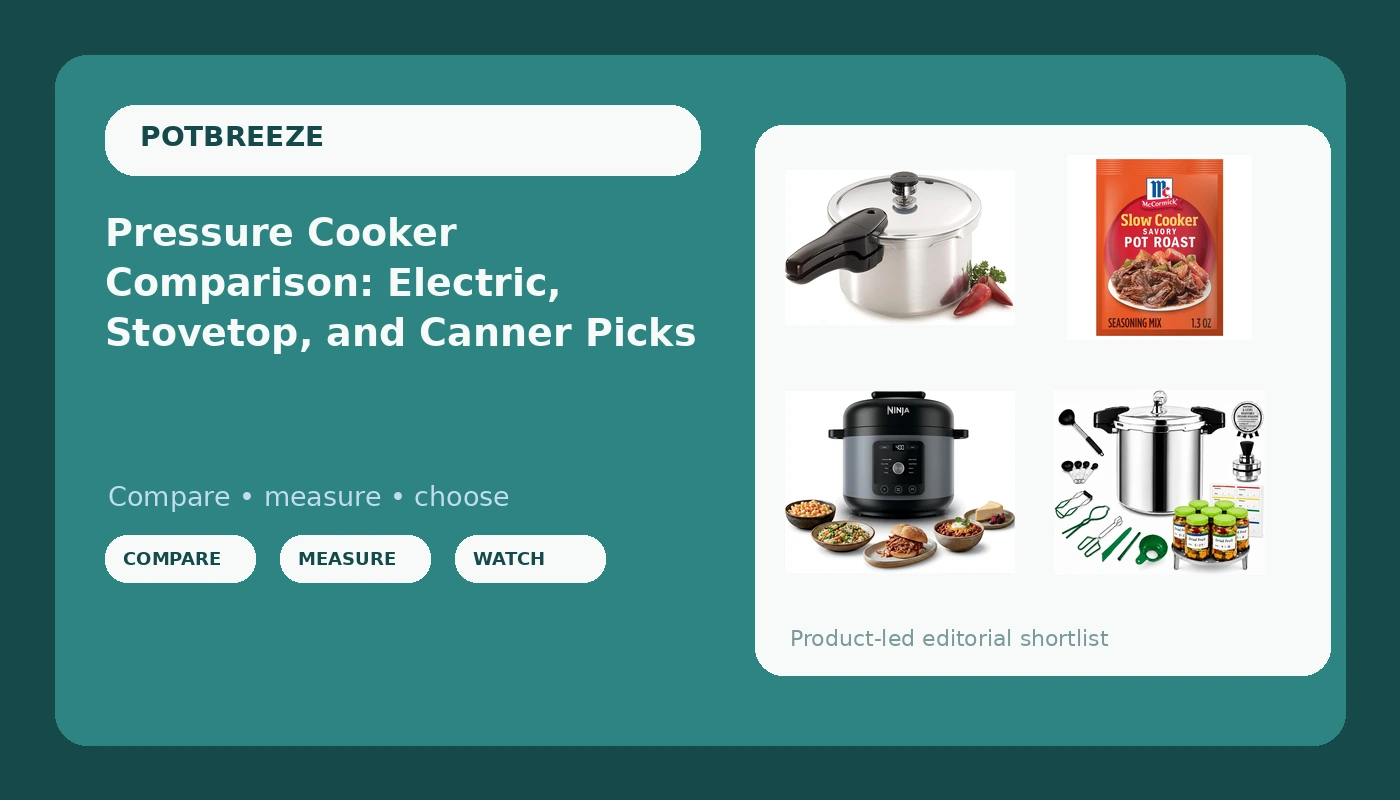
I cook dinner for five people most nights in Columbus, and I have owned eleven pressure cookers in fifteen years. The first one was a stovetop model my grandma handed me, and it rattled hard enough that my kids left the kitchen. The one on my counter now makes no noise at all, which tells you most of what changed in the category. This pressure cooker comparison covers the four items I keep coming back to: one electric cooker, one stovetop cooker, one 24-quart canner, and one seasoning packet that has nothing to do with pressure and everything to do with getting a pot roast on the table on a Tuesday.
Related: Stovetop Vs Electric Pressure Cookers: Which One Fits Your Kitchen
The short answer: for a family cooking real weeknight dinners, the electric 6.5-quart cooker is the one to buy, because it sears, it holds pressure while you do something else, and it keeps dinner warm until the last person walks in. The stovetop 4-quart is the budget entry point and still the best pot in this group for beans. The 24-quart canner is a different tool for a different job. And the seasoning packet is a shortcut, not a cooker, and I say that plainly in its own section below.
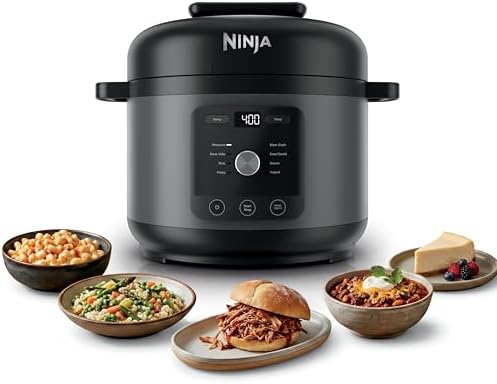
Ninja HyperHeat 9-in-1 Pressure Cooker, 6.5-qt, Stone Purple
9 programs in one pot, 6.5 quarts feeds five with leftovers, keep warm holds dinner for late arrivals, and a real sauté step means one dirty pan instead of two
Electric browning is gentler than a screaming skillet, and several of the nine program names are marketing more than cooking
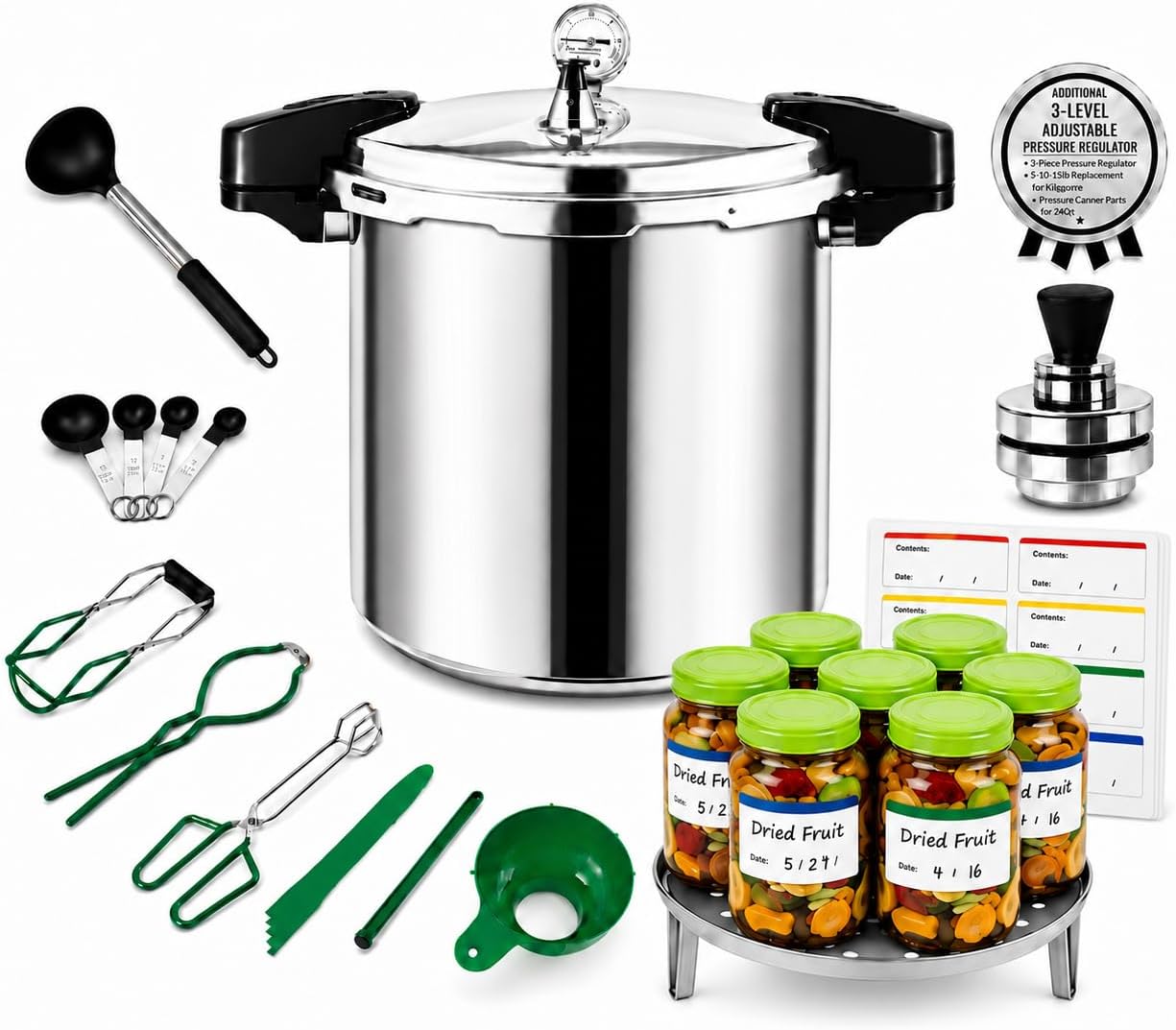
24QT Pressure Canner, 11-Piece Kit, Gas & Induction, 5/10/15 PSI Regulator
24 quarts is real volume for jars or a crowd, the 11-piece kit covers the accessories, and it runs on gas or induction with a selectable 5/10/15 PSI regulator
Heavy when full, needs serious burner space and headroom, stovetop only, and it is complete overkill for a Tuesday dinner for five
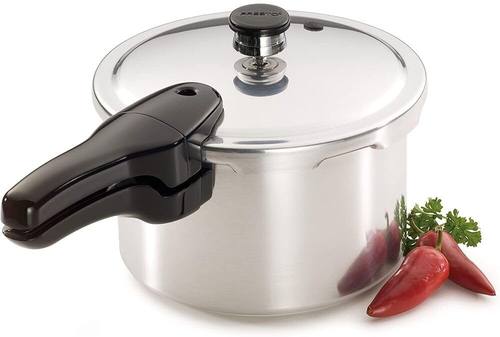
Presto 01241 4-Quart Aluminum Pressure Cooker
The simplest cooker here, nothing electronic to fail, the pot body is your sear pan, and it is the least expensive way into pressure cooking
4 quarts is tight for five people, you manage the heat yourself, and there is no keep warm or timer to rescue a late dinner
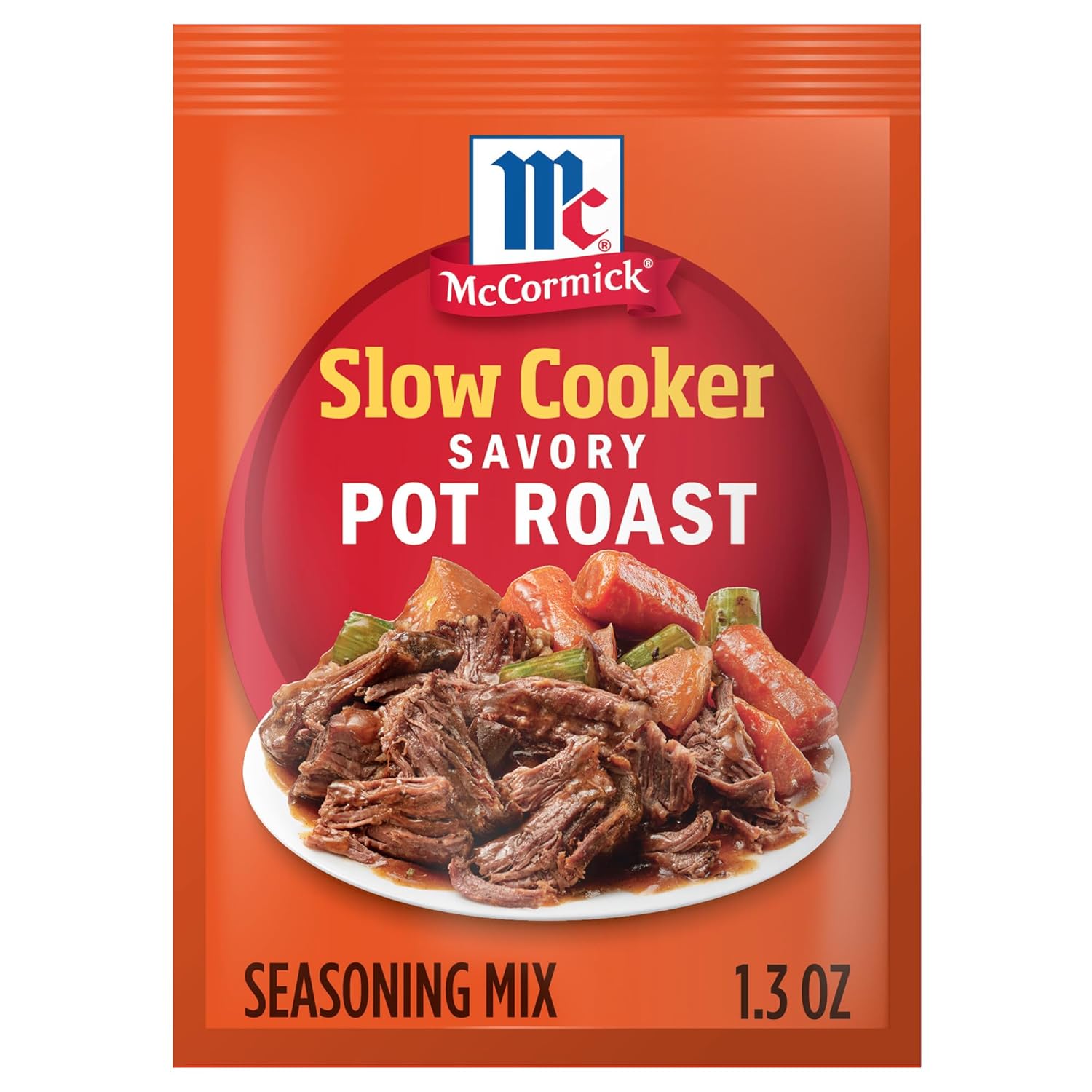
McCormick, Slow Cooker Savory Pot Roast Seasoning Mix, 1.3 Oz (Pack of 1)
One packet seasons a whole roast, kills the spice-rack math on a weeknight, and it plays fine with pressure cooking
It is a seasoning packet, not a cooker, and it leans salty, so taste before you reach for the salt shaker
Prices and availability were captured from Amazon Creators API and may change.
How I judge a pressure cooker
Four questions, in this order. Does sauté get hot enough to brown meat without scorching the bottom? Does it come up to pressure and hold it while I walk away? Can I buy a replacement sealing ring for that exact model a year from now? Would it survive 30 weeknight dinners without me babying it?
The sealing ring question is the one people skip and the one that kills a cooker. That silicone gasket holds the pressure and absorbs the smell of every chili and curry you make in it. If you cannot find a replacement for the exact model, the cooker is disposable, no matter how many programs it advertises. Before you buy anything on this list, search for the gasket first. If it exists, the cooker has a future. If it does not, you are renting.
The second thing I count is dirty pans. A weak sauté mode means you brown the meat in a skillet, deglaze the skillet, then transfer everything into the cooker, and now you have two pans and a cutting board at 8 p.m. A cooker with a strong sauté is a one-pan dinner. That is the whole game on a weeknight.
And I will say this about buttons: more buttons is not more cooker. Three good programs beat twelve that all do the same thing with different names. A pressure cooker needs to brown, to cook under pressure, and to keep food warm. Everything past that is a label on a panel.
The electric pick: Ninja HyperHeat 9-in-1, 6.5-qt
Six and a half quarts is the number that matters here. That is a full pot of chili for five people with a container left over for somebody's lunch, and it is still small enough to sit on the counter without owning the counter. If you are feeding four or five and you want leftovers, this is the capacity class you want. Four quarts sounds close and is not.
The 9-in-1 framing covers pressure cooking, sauté, and the keep warm function I care about most. Keep warm is the unsung hero of weeknights. Dinner is done at 6:15, one kid has practice until 7, and the pot holds everything at serving temperature instead of turning your roast into a warm memory. That single function decides more dinners in my house than any browning setting.
The Stone Purple finish is a look, not a function, and I am not going to pretend it changes how the food tastes. What matters is that the sauté step happens in the pot you will pressure cook in, which keeps the dirty pan count at one.
Where it loses points honestly: an electric cooker browns more gently than a cast iron skillet on a hot burner. You get good color on a chuck roast, not a steakhouse crust. If you are the kind of cook who needs a hard sear, you already know you are finishing in a skillet. And of the nine programs, maybe four earn their place. The rest are names.
The stovetop pick: Presto 01241 4-Quart Aluminum
This is the cooker that teaches you pressure cooking, partly because it cannot do anything else. Aluminum heats fast, the body goes straight on the burner, and the pot you sear in is the pot you cook in. One pan, one lid, no control panel, no firmware.
That simplicity is the selling point. There is nothing electronic to fail, nothing to update, and nothing to learn except heat management. On a gas burner you can feel the whole process: bring it up, back the heat down, let it ride. It is the same relationship my grandma had with hers, and it still works.
Four quarts is the catch. For five people, that is a pot of beans, a batch of rice, a braise for two with leftovers, or a side dish next to something else. It is not the pot that makes Tuesday dinner for a family of five. It is the pot that makes the beans you eat alongside Tuesday dinner, and it does that better and faster than anything electric in this group.
The other honest caveats: you are the timer, you are the keep warm function, and you are the one who decides when to drop the pressure. There is no display telling you dinner is holding. Aluminum also is not the pan I reach for with a long, acidic tomato braise. And yes, stovetop cookers make noise. My kids still leave the kitchen when this one comes out, and I have made peace with that.
The 24-quart canner: volume, not convenience
The 24QT Pressure Canner with the 11-piece kit is the outlier in this comparison, and it deserves to be judged on its own terms. Twenty-four quarts is not a dinner. It is a season. This is the pot for putting up tomatoes in August, processing jars, and cooking a batch of something large enough to feed a party or stock a freezer.
The 11-piece kit matters more than it sounds, because canning is an accessories game. Racks, tools, and the small parts you did not know you needed add up fast when you buy them one at a time. Getting them in the box is the difference between canning this weekend and canning next month.
The 5/10/15 PSI regulator is the spec I would point at first. Different foods want different pressure, and a regulator that lets you dial between those steps gives you control a fixed-weight cooker does not. It also runs on gas and induction, which means it works on the burner you actually own instead of the one the manual assumes.
What it loses: this thing is heavy when it is full, and 24 quarts of anything is heavy. It needs a big burner and clearance above it, it is stovetop only, and it is not the pot you pull out for a weeknight roast for five. If you buy this expecting it to replace a 6-quart electric cooker, you will use it twice and then store it on the bottom shelf next to the turkey roaster.
The seasoning packet: not a cooker, still in the cart
Yes, this is a seasoning packet in a pressure cooker comparison. It earned the spot.
McCormick's Slow Cooker Savory Pot Roast Seasoning Mix is a 1.3-ounce packet built for a slow cooker, and it does the same job when the cooking happens under pressure: it takes a chuck roast from "I have to measure six spices" to "dump, seal, walk away." On a weeknight with five hungry people, removing that step is worth more than a program you will never press.
Two honest notes. First, it leans salty, so taste the sauce before you add anything from the shaker. Second, it is a shortcut, not a substitute for knowing how to season food. The packet is training wheels that taste good, and there is nothing wrong with training wheels on a Tuesday.
It is also the only item in this comparison that costs about as much as a cup of coffee, which makes it the cheapest way to improve a pot roast you are already planning to cook.
What the specs actually tell you
Capacity is the first real decision, and it is not about the biggest number. Four quarts is sides and small batches. Six and a half quarts is a family dinner with leftovers. Twenty-four quarts is preserving and parties. Buying up a size you do not cook for means a heavier pot and a longer climb to pressure every single time.
Heat source is the second. Electric means you walk away and the pot handles the pressure and the keep warm. Stovetop means you are the controller, and you get a faster, hotter sear in exchange for standing near the stove. Neither is better. They are two different jobs.
Cleanup is the third, and it is the one nobody puts on a spec sheet. Count the pans in your normal dinner. If the answer is three, a cooker with a real sauté gets you to one. If the answer is already one, you do not need the feature.
The fourth is the boring one: the sealing ring. Check that a replacement gasket exists for the exact model before you buy. A cooker whose ring you cannot replace has a shelf life measured in months, and it will start smelling like last month's chili long before that.
Do you need a canner, or just a bigger pot?
Ask what you are actually making. Weeknight dinners for four or five, three or four nights a week: the electric 6.5-quart is the answer, and the canner is a very expensive way to make the same roast. Beans, rice, and small braises: the 4-quart stovetop does it cheaply and fast, and it will outlive most electronics in your kitchen. Jars, big batches, tomatoes in August, or a crowd: that is the only case where 24 quarts makes sense, and when it makes sense it makes sense completely.
If you are buying your first pressure cooker and you cook dinner for a family, start electric. Learn the natural release on something forgiving like a pot roast. Add the stovetop pot later when you want beans on a weeknight and do not want to wait on a machine. Add the canner when you have a garden, a chest freezer, or a very large family gathering on the calendar.
What I'm looking at next
The open question on my list is capacity versus frequency: how many families actually cook enough to justify 24 quarts more than twice a year, and how many are buying volume they will store instead of use. I am also watching whether the next round of electric cookers keeps improving sauté, because that single function is the line between a one-pan dinner and a sink full of dishes. When a cooker nails the sear and the gasket is replaceable, that is the cooker I will recommend without a caveat.