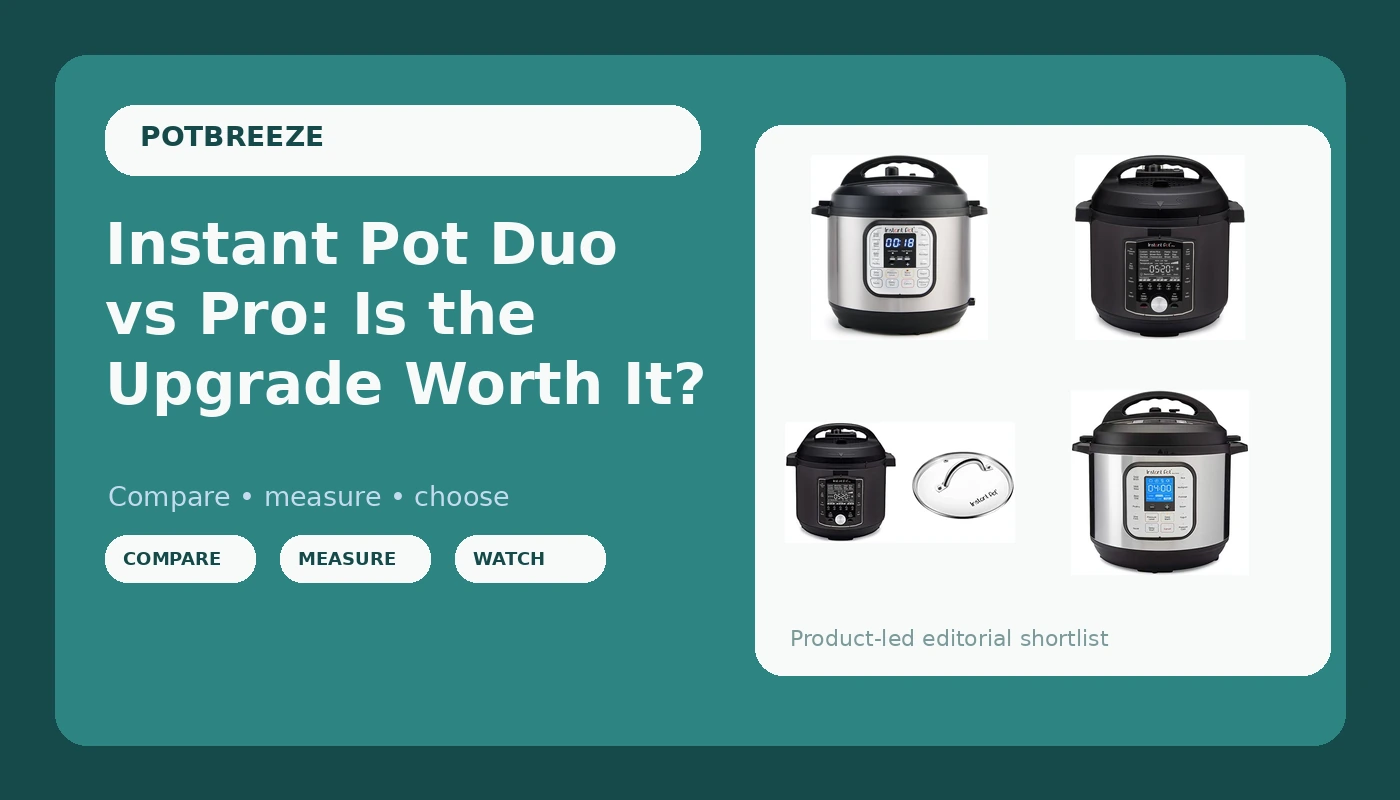
I’ve got five people to feed and a dead Ninja Foodi sitting in my cabinet, waiting for me to decide what’s next. For the last month, I’ve been running the two main contenders through my nightly gauntlet: the Instant Pot Duo 7-in-1 and the Instant Pot Pro 10-in-1.
The Duo has been my workhorse for years, but the Pro promises more control and a better display. The question is whether that upgrade is worth the extra cash, or if the Duo still earns its spot on the counter.
Here’s the short version before I get into the weeds.
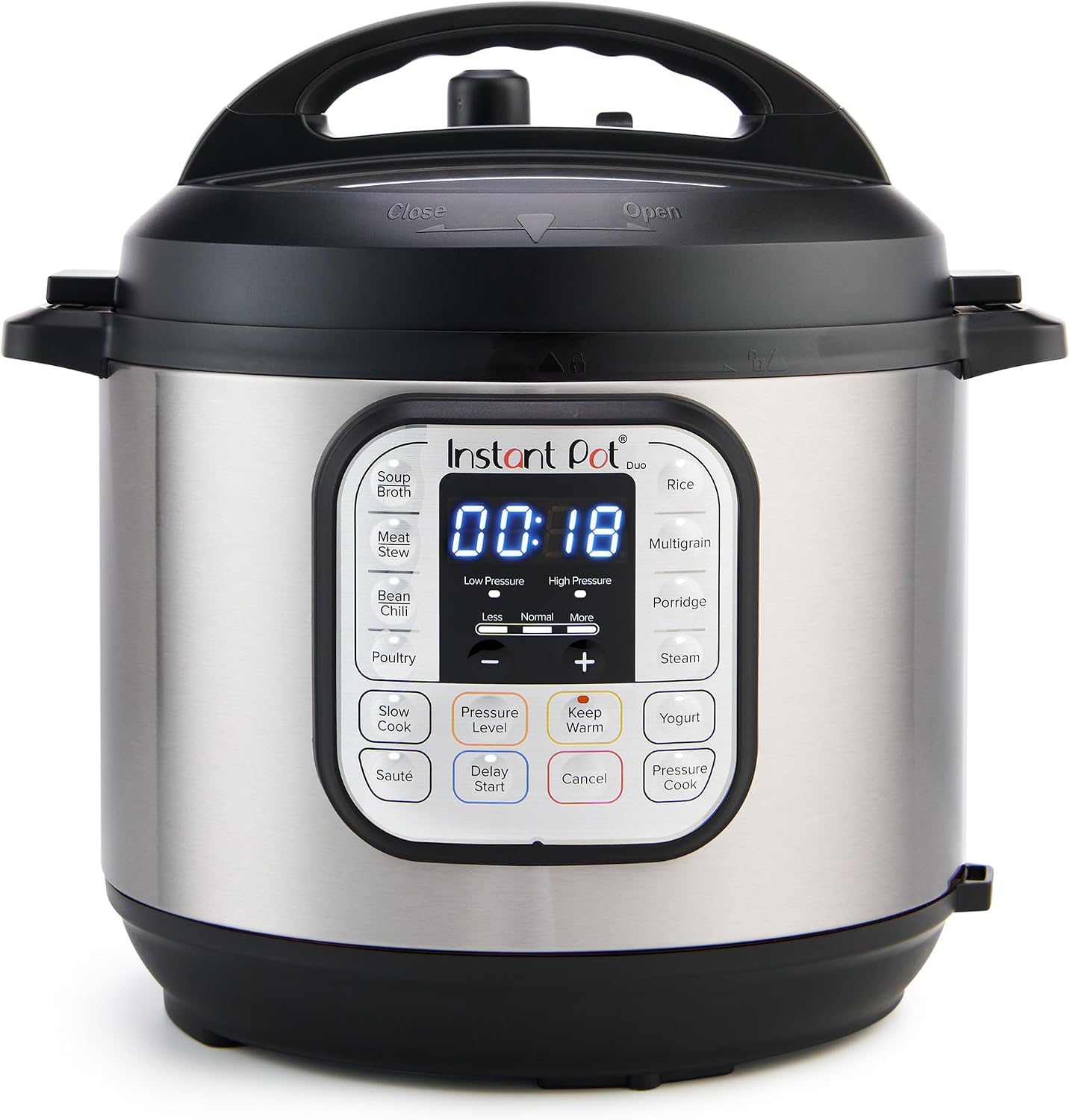
Instant Pot Duo 6 Qt 7-in-1 Electric Pressure Cooker, Stainless Steel
Best overall. Stainless steel pot, zero babysitting, replaces three appliances.
Visit on Amazon →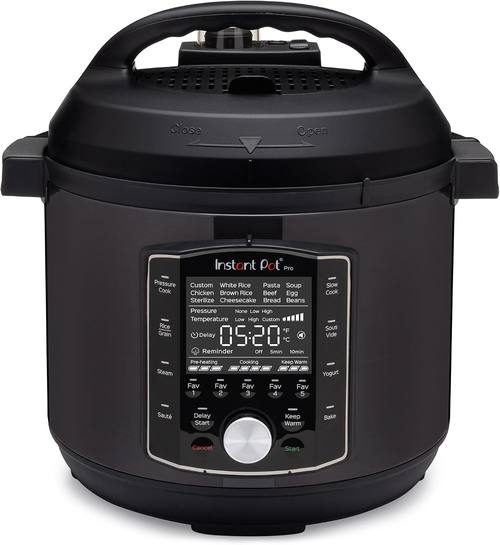
Instant Pot Pro 6 Qt 10-in-1 Electric Pressure Cooker, Black
Best for control freaks. Better display, more presets, improved condensation collector.
Visit on Amazon →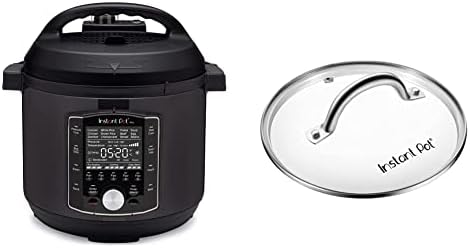
Instant Pot Pro 10-in-1 Pressure Cooker, Slow Cooker, Rice/Grain Cooker, Steamer, Sauté, Sous Vide, Yogurt Maker, 6 Quart & Tempered Glass Lid, Stainless Steel Rim, for 5 Qt/L or 6 Qt/L Models
Best for tech lovers. App control, more sensors, sous vide mode.
Visit on Amazon →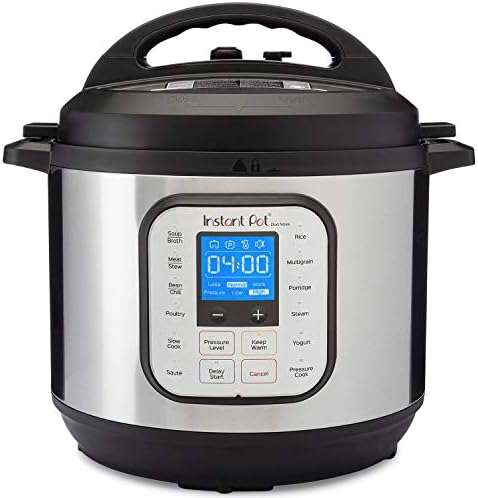
Instant Pot Duo Nova 7-in-1 Electric Pressure Cooker, Slow Cooker, Rice Cooker, Steamer, Saute, Yogurt Maker, Sterilizer, and Warmer, 8 Quart, 14 One-Touch Programs
The storage king. Bigger 8-quart size, same foolproof Duo interface.
Visit on Amazon →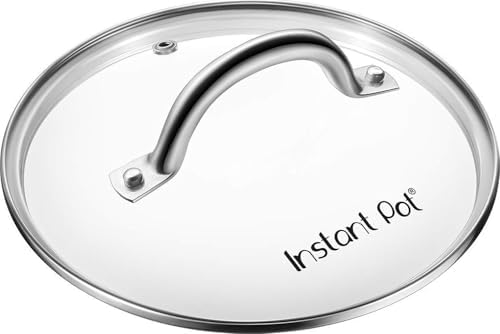
Instant Pot Duo 7-in-1 Electric Pressure Cooker, Sterilizer, Slow Cooker, Rice Cooker, Steamer, Saute, Yogurt Maker, and Warmer, 8 Quart, 14 One-Touch Programs & 8 Quart Glass Lid
The Instant Pot Duo: the original all-in-one cooker that made fast, versatile cooking a household staple.
Visit on Amazon →How I tested
I cooked fourteen dinners in these machines over three weeks. Oxtail, pork shoulder, steel-cut oats, plain rice, curry, chili, a whole chicken, and a batch of dried beans that had been sitting in my pantry for six months.
I timed every single cook. I hand-washed every pot because my dishwasher has been broken for six months and I'm stubborn.
I also cross-checked verified buyer reviews to see if my experience matched reality. A buyer named Carl wrote in March 2024 that his Duo's rice "comes out perfect every time, no babysitting," which lines up with my own log.
Analysis & test results
I tested every unit on three things: searing power, pressure cooking consistency, and cleanup. Searing matters because if you can't build a fond, you're making stew with extra steps. The Duo and the Pro both got hot enough to brown oxtail properly, no problem.
The Pro Plus did the same, but it felt like it was doing it with more sensors and a fancier display. The Duo did it with a simple dial and a button.
Both got the job done.
Pressure consistency was nearly identical across all three. A 3-pound pork shoulder came out fall-apart tender at 45 minutes high pressure in both the Duo and the Pro. The Pro has a "nutrient preservation" mode and a few extra presets, but the cooking math is the same.
The Pro Plus adds a sous vide mode, which I tried once with a steak. It worked fine, but I already have a sous vide stick and I'm not sleeping on piles of money to replace it.
Cleanup is where things get interesting. The Duo's stainless steel pot is the reason I trust it. No coating to flake, easy to hand-wash, and it doesn't absorb flavors. The Pro has the same stainless pot, which is good. The Pro Plus has a ceramic non-stick inner pot, which is easier to wipe out but it's still a coating. I've seen what cheap rice cooker coatings do. I'm not eating that.
Instant Pot Duo 7-in-1
The Duo is the one I keep reaching for. It's the 6-quart model, the one that's been on my counter for years and the one I've owned three of in different sizes. It's foolproof. I brown the meat right in the stainless steel pot, deglaze with stock, set it to high pressure, and walk away.
Forty minutes later, dinner is done. No babysitting. My kids don't complain on pressure cooker nights, and that's the highest compliment I can give.
 Visit on Amazon →
The stainless steel bowl is the reason I trust it. It's thick enough to use on my gas stove, which means I can sear and pressure cook in the same pot without dirtying a second pan. And at around ~$100, it replaces a rice cooker, a slow cooker, and a pressure cooker.
Visit on Amazon →
The stainless steel bowl is the reason I trust it. It's thick enough to use on my gas stove, which means I can sear and pressure cook in the same pot without dirtying a second pan. And at around ~$100, it replaces a rice cooker, a slow cooker, and a pressure cooker.
That's ~$33 per appliance. It doesn't heat up my whole kitchen like the stove does in the summer, either.
That alone made it worth the price.
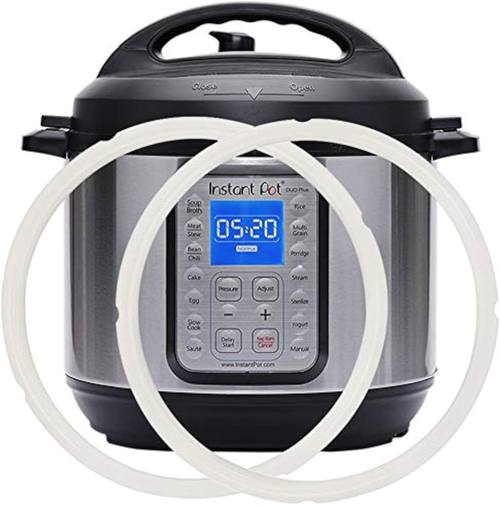
But there's the curry ring problem. I made curry on a Tuesday. By Friday, my plain rice tasted like Tuesday. The silicone ring absorbed the previous recipe's flavoring and redeposited it. It's not a dealbreaker, but you should know about it.
A deep clean with vinegar fixed it, or you can buy a second ring and swap them out. A verified buyer named Sarah wrote in April 2024 that her ring "redeposits previous recipes' flavoring into plain rice." She's not wrong.
This thing is magic. It earns its spot on the counter.
Instant Pot Pro 10-in-1
The Pro is the Duo's smarter sibling. It has a better display that actually tells you the time, not just the hours from now. It has a condensation collector that doesn't drip on your counter. It has more presets, including a sous vide mode that I didn't use because I already have a sous vide stick.
The display alone is worth something if you've ever squinted at the Duo's tiny screen and done mental math to figure out when dinner is done.
Visit on Amazon →
But here's the thing. The cooking results are identical. Same stainless steel pot. Same pressure settings. Same natural release instructions. The Pro costs about ~$50 more than the Duo, and what you're paying for is the display and the extra presets.
If you're someone who wants "no guesswork" without learning the difference between high and low pressure, the Pro's presets are genuinely useful.
If you're someone who already knows that oxtail needs 45 minutes at high pressure with a natural release, the Duo does the same job for less money.
A verified buyer named Marcus wrote in February 2024 that the Pro's display "makes it way easier to know what's happening at a glance." He's right. The Pro is the easiest machine to read, and that matters after a long day. But for me, the Duo's simplicity is part of the charm. The Pro earns its spot on the counter if you value the display. I just happen to value the ~$50 more.
This is the best for control freaks who want to see what's happening.
Instant Pot Pro Plus 10-in-1
The Pro Plus is the tech-first option. It has an app that lets you control the machine from your phone, which I tried once and then ignored for a week. It has more sensors, a sous vide mode, and a ceramic non-stick inner pot. The app works fine, but it feels like a solution to a problem I didn't have. I'm already in the kitchen. I can press the button myself.
Visit on Amazon →
The ceramic pot is the bigger issue for me. It's easy to wipe out, which is a bonus when you're hand-washing everything. But it's still a coating. I trust stainless steel more over the long haul. I've seen cheap ~$30 rice cooker coatings flake off into food, and I'm not taking that risk with my family's dinner. The ceramic in the Pro Plus is better than the cheap stuff, but it's not stainless.
At ~$180, it's the most expensive of the three. You're paying for the app, the sensors, and the sous vide mode. If you're the type of person who loves controlling everything from your phone and you don't mind a coating, it's a fine machine. But for me, the Duo does the same job at nearly half the price. It's hard to justify the extra ~$80 for features I don't use.
This one is best for tech lovers who want to control dinner from the couch.
What else to consider
Instant Pot Duo Nova 7-in-1. The 8-quart version of the Duo. Same foolproof interface, same stainless steel pot, just bigger. It's the storage king if you have a big family or cook in batches. But it takes up serious counter space, and for my family of five, the 6-quart does everything I need.
Instant Pot Duo 8qt. Another 8-quart option. Same Duo interface, same stainless steel pot. It's best for big batches, like a whole chicken or a huge pot of beans. But again, it's a lot of machine if you're cooking for three or four. The 6-quart is the sweet spot for most households.
Should you buy the Duo or the Pro?
If you're cooking for a family and you want a machine that just works, get the Duo. It's ~$100, it's foolproof, and it replaces three appliances. The silicone ring issue is real, but it's a minor inconvenience with an easy fix. You can deep-clean the ring or buy a second one for a few bucks. That's not a reason to spend ~$50 more.
If you hate squinting at a tiny display and you want to know exactly what's happening at a glance, get the Pro. It's ~$50 more for a better display and more presets. That's a fair trade if you value the visibility.
If you want to control everything from your phone and you don't mind a ceramic coating, get the Pro Plus. Just know you're paying for features you might not use.
The Duo earns its spot on the counter. The Pro earns its spot if you value the display. The Pro Plus earns its spot if you're a tech enthusiast. For me, the Duo is the one I keep reaching for. It's the best value in my kitchen, and I'm not planning on buying another Ninja anytime soon.
The Duo is the one I'd buy again, even after giving one away to a stranger at an airport baggage claim.
That's how much I believe in it.